Komatsu Heavy Equipment Transmission The Heart of Construction Power
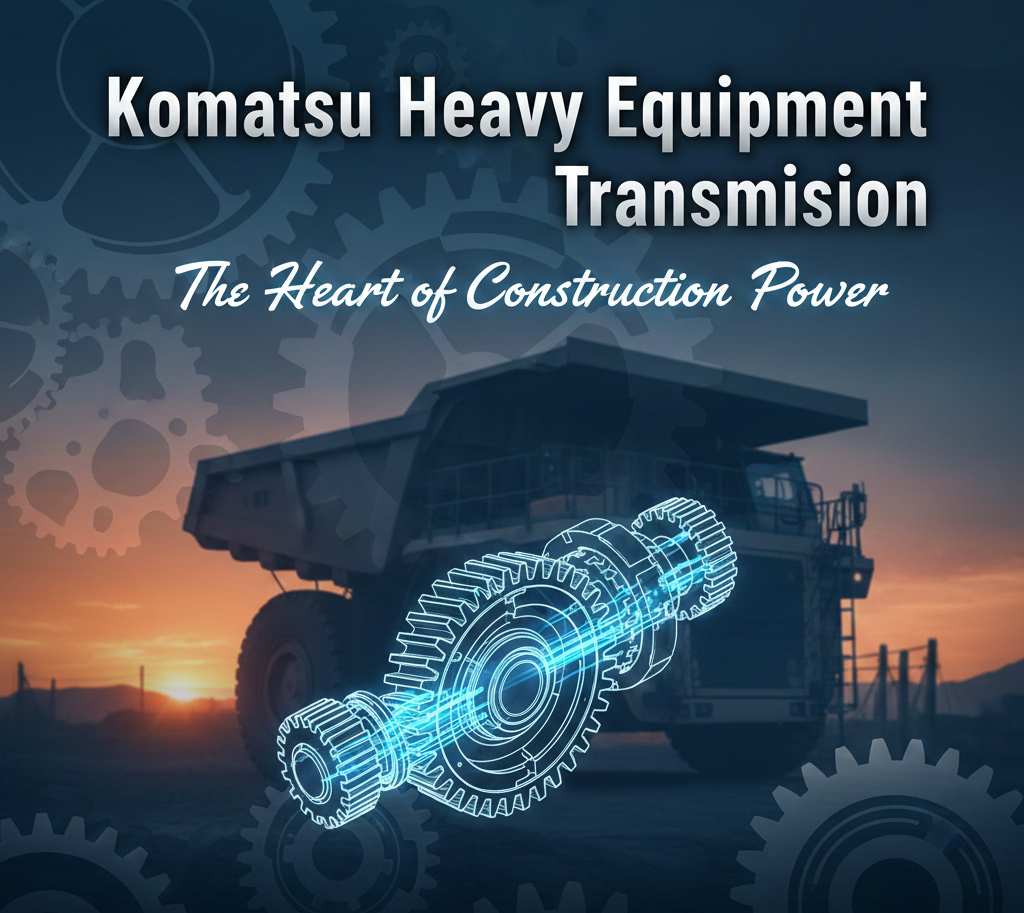
Komatsu Heavy Equipment Transmission The Heart of Construction Power

Komatsu Heavy Equipment Transmission The Heart of Construction Power
When you think of Komatsu heavy equipment, what comes to mind? Bulldozers pushing mountains of dirt? Excavators performing feats of engineering wizardry? The truth is, none of that raw power happens without a meticulously engineered transmission system quietly doing its job behind the scenes.
What is a Komatsu Heavy Equipment Transmission?
In simple terms, a transmission transfers the engine’s power to the wheels, tracks, or other mechanisms. But Komatsu takes this idea to the next level:
“A Komatsu transmission isn’t just about moving parts; it’s about precision, durability, and keeping heavy machinery running under extreme conditions.”
These transmissions are engineered for:
-
Durability: Designed to withstand tons of stress without failing.
-
Efficiency: Reducing fuel consumption while maximizing output.
-
Smooth Operation: Ensuring operators experience minimal vibration and control issues.
Types of Komatsu Transmissions
Komatsu uses several types of transmissions depending on the equipment. The main ones include:
-
Hydrostatic Transmission (HST)
-
Provides smooth, variable speed control.
-
Ideal for smaller equipment or machines requiring precise maneuvering.
-
-
Power Shift Transmission
-
Features multiple gears with automatic shifting.
-
Perfect for heavy-duty machines like bulldozers and wheel loaders.
-
-
Direct Drive Transmission
-
Direct power transfer for maximum torque and efficiency.
-
Often used in mining equipment and large earthmoving machinery.
-
Each type is optimized for different applications, but all share Komatsu’s hallmark reliability and performance.
Why Transmission Maintenance Matters
Heavy equipment operators often underestimate transmission care, but a little attention can save thousands in repair costs. Key tips include:
-
Regular Fluid Checks: Ensure hydraulic and transmission fluids are at proper levels.
-
Filter Replacements: Prevent contaminants from damaging internal gears.
-
Scheduled Inspections: Catch early wear before it turns into major downtime.
“The transmission is the heart of your machine—treat it with the respect it deserves.”
Latest Trends in Komatsu Transmission Technology
Komatsu is always innovating, and recent trends are pushing transmissions to the next level:
-
Electronic Control Systems – Smarter, adaptive transmissions that adjust to terrain and load automatically.
-
Hybrid Power Integration – Combining electric motors with traditional transmissions for eco-friendly efficiency.
-
Predictive Diagnostics – Sensors that monitor wear and tear in real-time, reducing unexpected breakdowns.
These advancements mean operators can do more with less effort, fuel, and downtime.
Conclusion: Power Meets Precision
Komatsu heavy equipment transmissions are more than mechanical components—they’re engineering masterpieces designed to conquer the toughest jobs. Whether you’re a machine operator, a fleet manager, or a construction enthusiast, understanding these systems can give you an edge in efficiency, safety, and performance.
Quick Takeaways:
-
Komatsu transmissions are durable, efficient, and precise.
-
Types include Hydrostatic, Power Shift, and Direct Drive.
-
Maintenance is crucial to extend lifespan and prevent downtime.
-
New trends like electronics and hybrid systems are reshaping heavy machinery.
“A well-maintained transmission isn’t just machinery—it’s the beating heart of every project site.”
If you want, I can also create a second, even punchier version with more bold/hyperlinked internal sections, images, and call-to-actions that will feel like a professional blog post ready to publish. This could increase engagement and SEO naturally.